Showing posts with label Manaiakalani. Show all posts

Friday, 22 August 2025

Writing with Gemini AI

One of the things we have been thinking a lot about is how we include our Maniakalani Learn, Create, Share pedagogy with our BSLA program. 

This week, my Literacy class was reading the story "Staying Afloat."  We have been working to write complete sentences using lots of good detail and description. After we discussed the elements of the story, the class had 10 minutes to write their own retell. Then, they were shown how to put their retell into Gemini AI to get a picture based on their writing. They learnt how to modify their writing to include the best detail to get an image that properly illlustrated the main idea of the story. 

 Here is an example that was written by a student in class: 

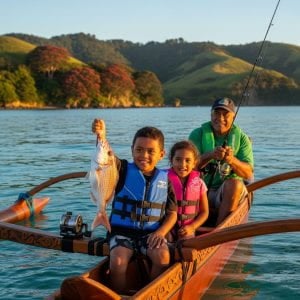
  One day kele and Vika, also granddad, were going on a boat. Granddad told them to wear a life jacket but kele didn’t want to wear one so he told how a boy who was in tonga,  but strong  fell into  the sea. Kele gasped so he had to wear one at last. When they were fishing kele fell into the water too but grandad could get him in time. At last Kele was out  grinning because he got a snapper and said who is the best fisher now!! Here are our first two tries at an image. 

The first image didn't show grandad or the sister Vika and it didn't show Tongan children so we made a few changes (as seen in the above paragraph).


 But, we were still not happy because there were no life jackets in the second photo and they were in a motorboat. 

So we got back to work and this is how we modified it to get the best photo from Gemini: 

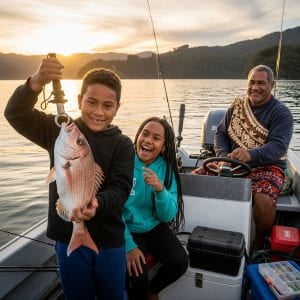
 One day a Tongan family went fishing in New Zealand. Kele, his sister Vika, and granddad, were going onto Grandad's vaka. After putting on his green life jacket, Granddad told them to put their life jackets on. Vika put on her pink life jacket but Kele didn’t want to wear one. Grandad told how as boy growing up in Tonga, he fell into the sea. Kele gasped so he had to wear one at last. When they were fishing kele fell into the water too but grandad could get him in time. At last Kele was grinning because he got a snapper with his blue life jacket on!!

Monday, 2 June 2025

Create Mini-Games with Gemini

 During our Manaiakalani Create teacher only day, I spent some time learning how to create mini-games with Gemini. It was a lot of fun and we were able to spend some time debugging through the AI prompt to make things run smoother.  To access each game click on the photo below. 

The first game I created was a Tetris-style multiplication game. In order to earn peices to play on tetris board, the play must accurately answer the multiplication facts.


The second game, (actually the first one I had a go with) was a solar system trivia game. It is very basic (game-wise) but the questions are pretty impressive given the parameters I set for the game in the AI. 


Friday, 31 May 2024

Making Music with Suno AI

 As part of the Maniakalani Cluster Create PD, I attended a workshop led by Fiona Grant (Manaiakalani Facilitator) about using the AI program Suno. We had fun exploring what key words to add into the program to have a song created by the AI. I then, took my song and embedded it into Adobe Express Animator to have an avatar sing my created song. Here is my final project. 


The video below is from Suno and shows the lyrics to the song. 


Tuesday, 12 September 2023

RPI Graduate

 Well done me! I have completed the Manaiakalani Reading Practice Intensive and earned my certificate of completion and badge. Now, to be sure that I remember everything I have been taught. 

Thanks once again to Naomi, Georgie and Toni for their amazing facilitation of the programme. 


RPI Day 9: Sharing Reading

 Sharing: Tohatoha Manaiakalani Pedagogy


“Work with learners to establish an authentic audience for their learning outcomes.”

We are very quick to share the movies we watch, or online content, but sharing what we are reading is not something that we are as quick to do. Manaiakalani wanted a way for the students to have an audience for their thoughts/opinions of the texts they are reading.  Blogging is now the primary way that we “share” our learning with the wider world. Instead of saying, “Be sure to blog your learning,” change it to, “Be sure to SHARE your learning.”


Participating in a Reading Community


Reading for pleasure: Being part of a reading community with shared values, interest, context and participation and intentionally (as the teacher) create a community thats “fosters shared contributions of akonga, kaiako, whanau, & a wider community online, in a valued reading practices.”


How are we already planning to include share opportunities for our students in our everyday learning? This is something to have a good think about. I know my students share their learning to their blogs but are they sharing with each other and using time to engage in providing feedback to their peers? I know this is something we have started to do but how can we make it an everyday (or every week) planned activity next term and perhaps earlier next year?


Visible Reading and Learning


Blogging Kaupapa is indicated on the blogging checklist, and how to correctly make a blog postHowever, it is important for us to remember that these are the kids’ blogs and they should have some ownership around their blogs to share their life (and educational) experiences. 


Feedback and Reflection


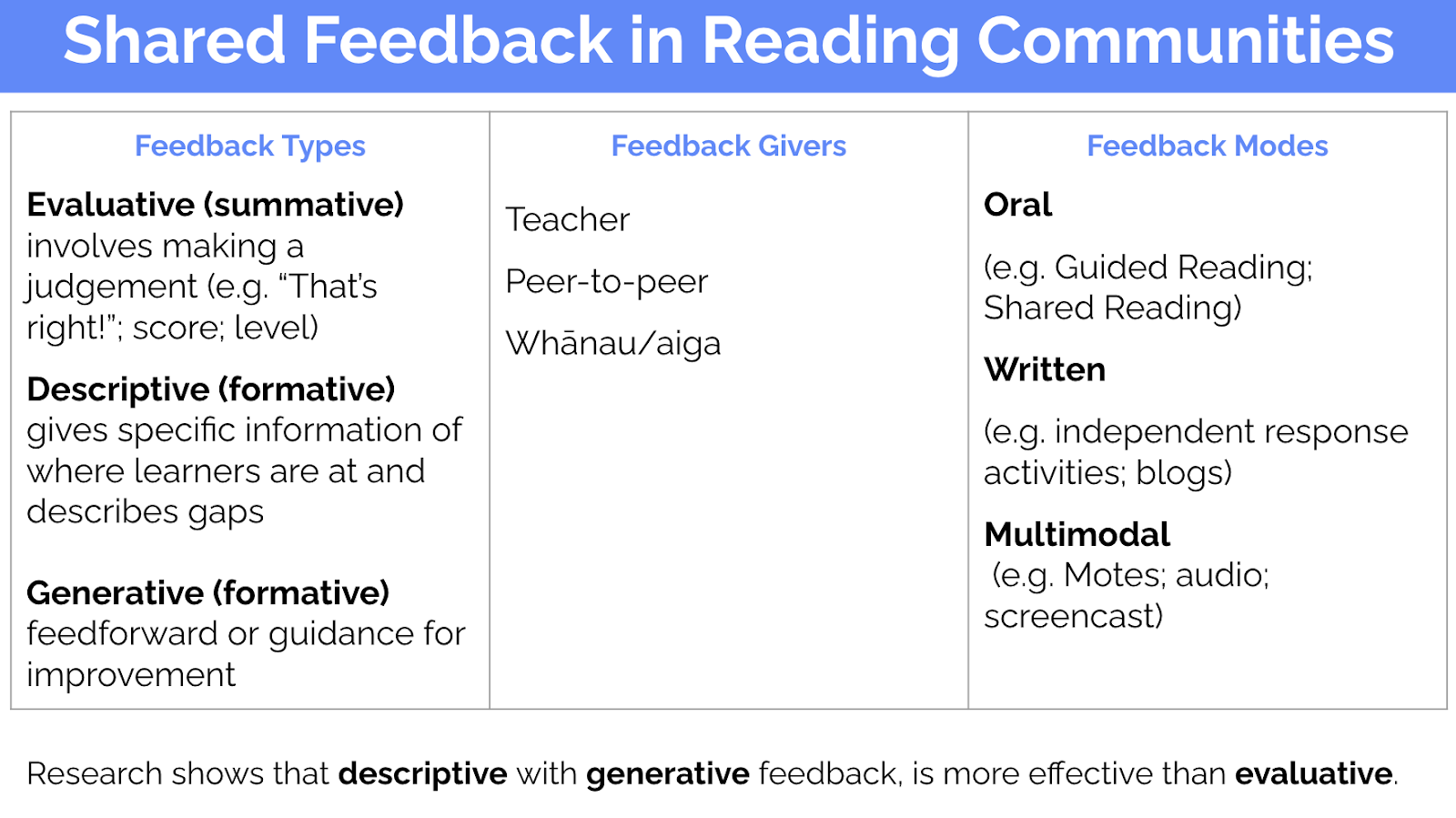
Success criteria might push the disposition of the students into new uncharted areas of literacy. It does not always have to be about the product. When providing feedback to students, they should be able to voice where they are now in their learning and where they need to go next (generative feedback→ feedback/feed forward for the future). Quality of the feedback is critical to step students into those next steps. It needs to be specific, not simply a “good job” or “well done you!”


Peer feedback needs to be scaffolded and introduced in a way that sets up students for success.  


What is your system for providing feedback? It needs to be meaningful and purposeful for the learner. 


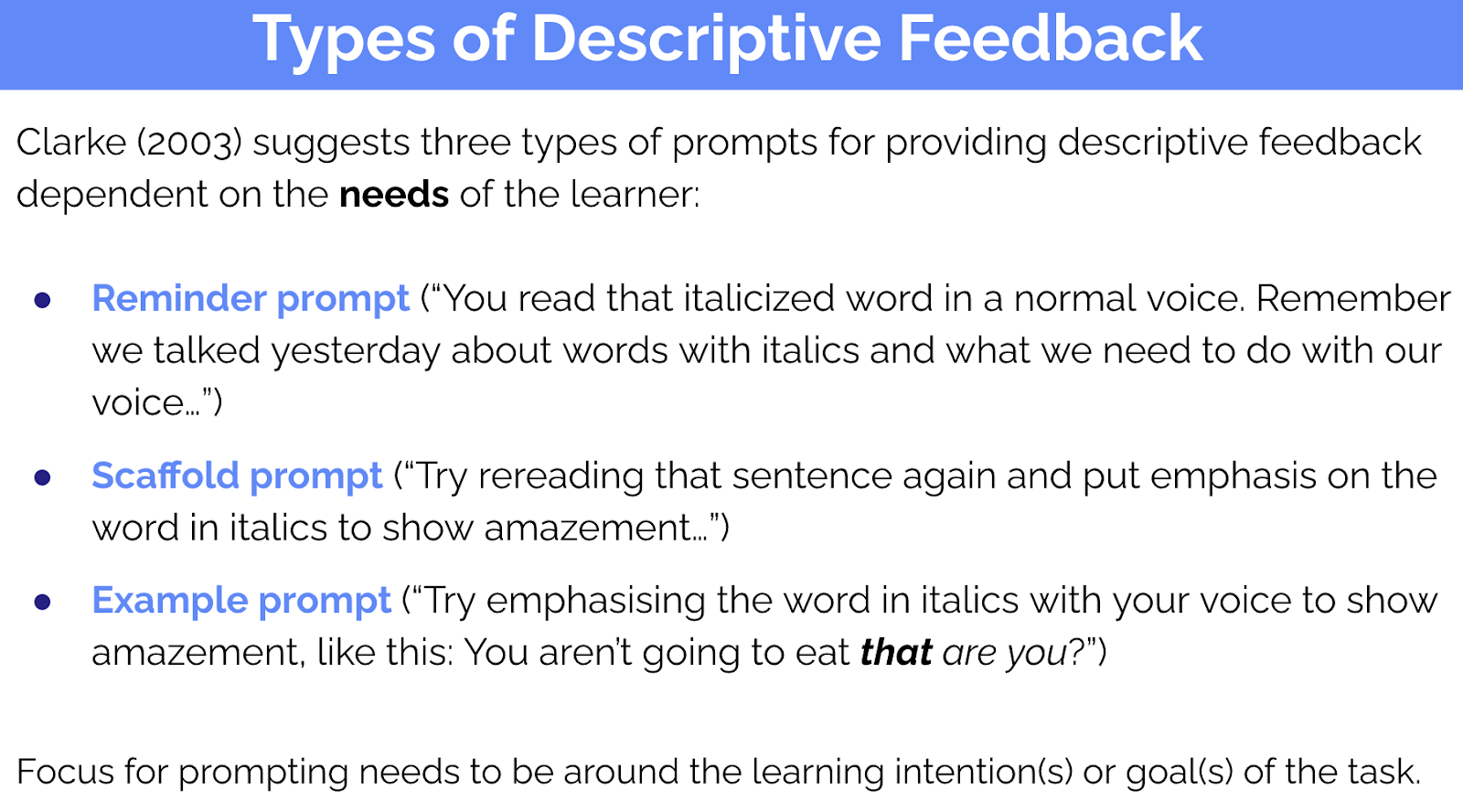
This is a great reminder of 3 ways to provide specific types of feedback to students. 



Learner Collaboration and Connection

Part of sharing is collaboration and it is an important skill of life. In order to have others care about what you are sharing, you need to care about what others are sharing. Students need to realise this and we need to help create a reciprocal environment that allows students to do this. 

When listening and responding to reading, our digital affordances come into play. We have many ways to easily have this happen in our learning spaces using their Chromebooks. This is also a great time to bring paired reading into the class with students providing feedback for each other. How are partners chosen and do we have a place in our timetable for this? 


To Do: Revisit our reading learner’s survey from the beginning of the year. When would be a good time for our follow up survey, and which questions should I include?  This is something that I need to do and collate the data to compare to the responses I received at the beginning of the school year.


When blog commenting, and responding to comments students will hit multiple times the various aspects of literacy that we always want to enable our students to communicate. 
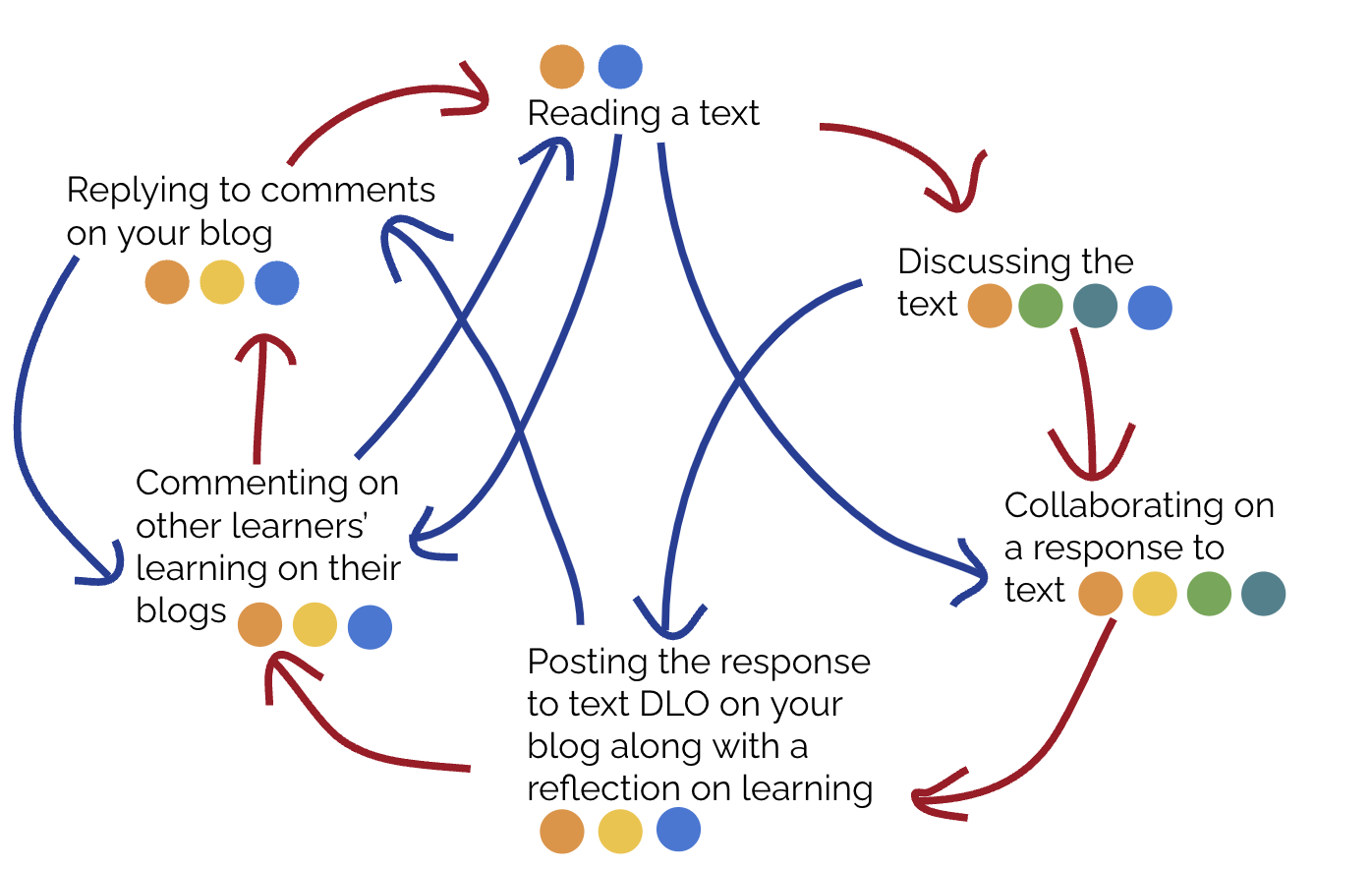

More realistic view of the blogging literacy cycle. 


Sharing with Whanau & Community


How can we help foster opportunities for families to have deliberate connections to hook back to home what we are reading in class. 


Currently, in my classroom, I encourage students to read a chapter each night and discuss what they have read with a family member. I also encourage them to read their chapter with a family member (taking turns reading aloud depending on their reading level). Many parents I have discussed this with have also appreciated it when I have encouraged them to read texts in their first language with their children and have discussions to carry over those reading and comprehension strategies. 

Moving forward, it would be fun to have whanau share the books (like a 2-3 minute book chat) they have read together on the student blogs. This might be something fun to do over the term 3 holidays for some fun prizes. Hmmmm….


And that's a wrap....


Wow! While filling out our teacher survey about the Pillar's of Practice, and the RPI Survey, I was genuinely amazed at how much we covererd in our 9 days! I spent some time looking back over my blog posts while answering the questions and there is such a wealth of information shared on my blog (and tucked away in my Google Drive) from this course.


A massive thank you to the Manaiakalani RPI team who facilitated our cohort. Also, a big thank you to Georgie and my "group 2" peeps for all the encouragement, laughter and drive to be the best group in the cohort always done first.



Tuesday, 22 August 2023

RPI Session 8: Create with Reading

 Engaging and Empowering Learning


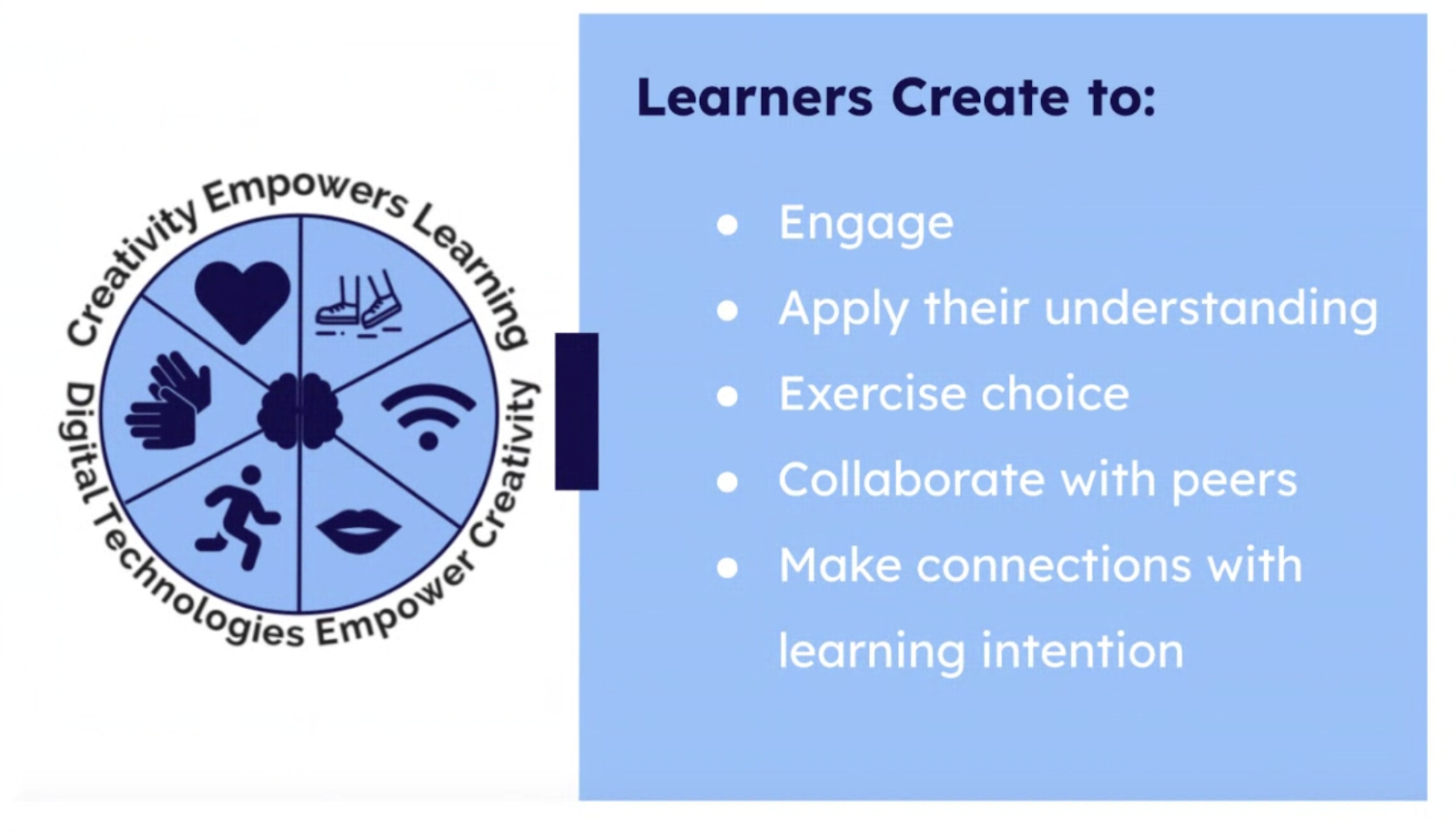
We want our young people to be empowered so that their content is online. The consistent message that we receive from former students (now in their adult life) is that creativity in their schooling experience has designed who they are now as an adult. 


If using AI in the classroom, have the iMac (class computers) signed into a generic class account so that students learn not to use AI on their own devices. 


Getting our Creative Juices Flowing

Today we imagined we were book illustrators using the poem Te Marama by Kelly Joseph. We compared our illustrated poem with the published version. One of the differences between my poem and the published one is my little girl is still in bed with the moon phases above her head thinking about the things her whanau do during different phases. 


On the other hand, some similarities with my poem are the moon is shown and similar colours. 


The parts I like most about my poem are the different emotions that you could read the poem with because we spend a lot of time talking about our emotions and how different people respond to different situations. The parts I like more about the published poem is that the girl looks so peaceful. What do you think?


Why is Creativity Important?

If we want to see our learners as a whole learning, integrated their emotive and cognitive skills allow us to do this creatively, while applying the learning intention. This enables create to be used to support our overall learning.


Using Create to Show Learning

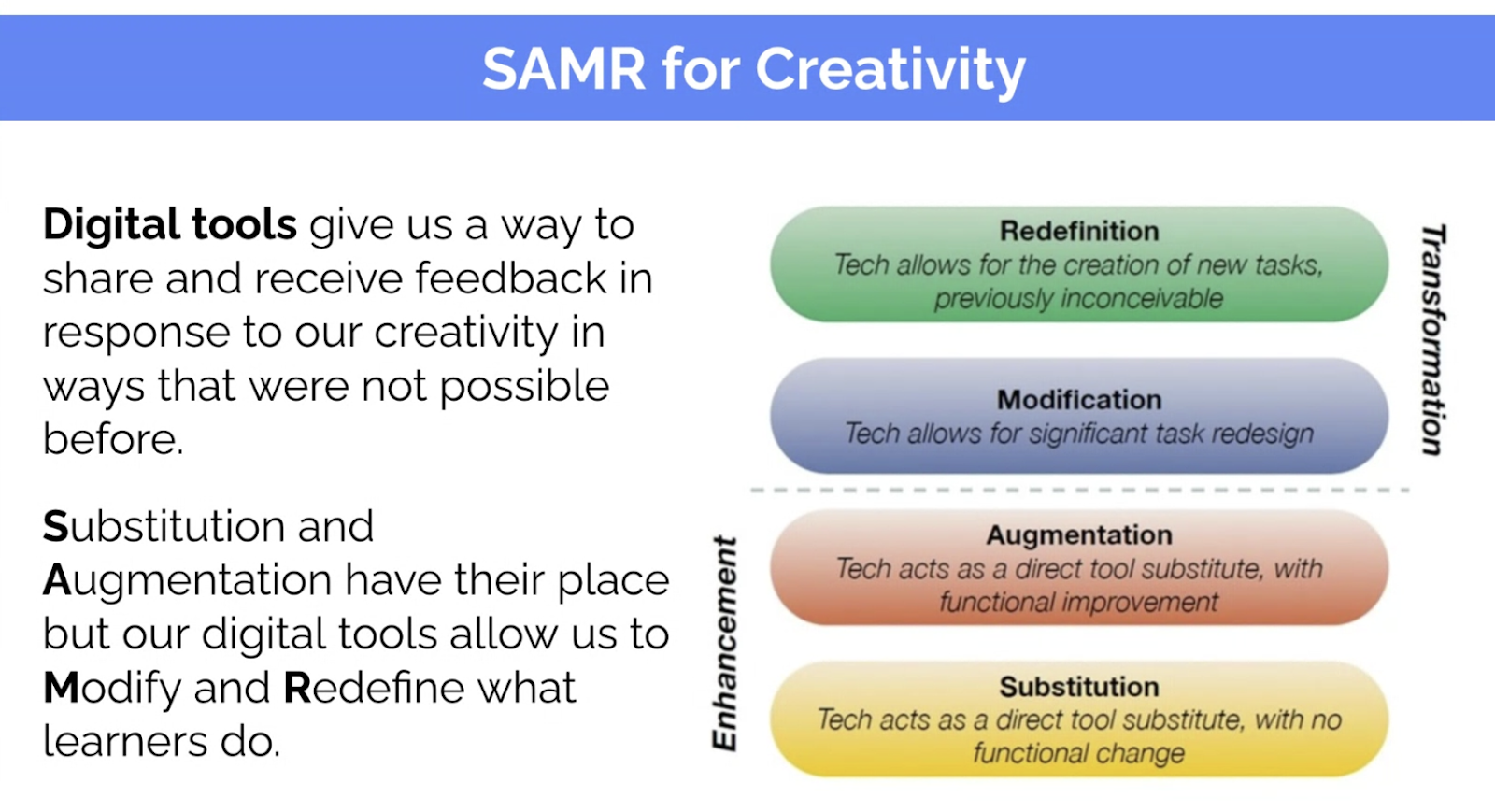
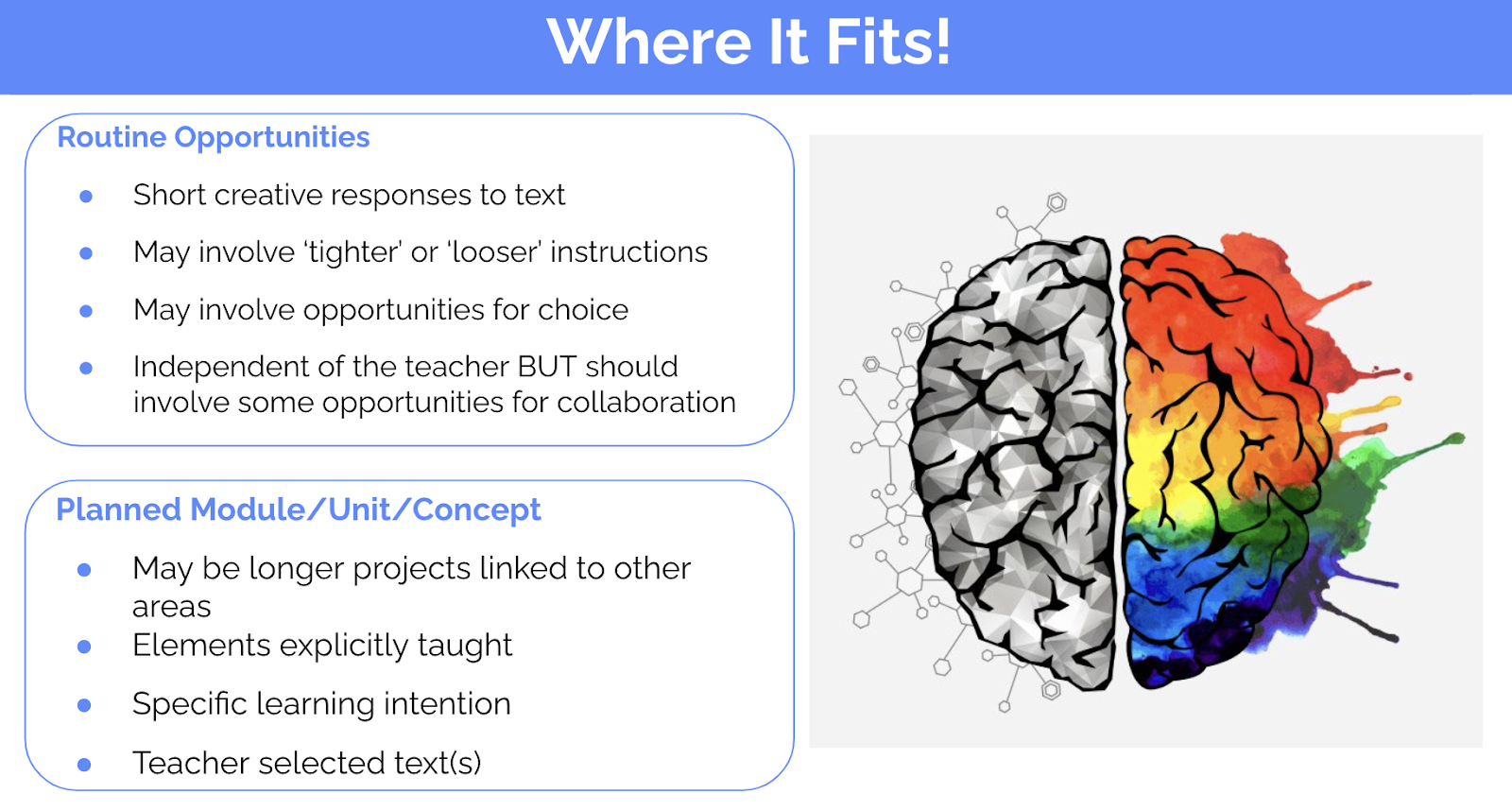
Tighter or Looser design theory around our create tasks. Tighter provides templates: graphic organisers, templates. For example, if a text leads to a specific object (ie backpack/umbrella) use a template of that object and extend the learning to the students adding to the object (ie what’s in the bag?).  


Here is an example of a Tighter Create task that I put together for my students to use before we read the text Kele’s Car. 


Using Create to Show Learning Part 2


Be sure we are providing opportunities for students to have choice when we are creating our tasks. For example, provide multiple avenues for a create task, or from the perspective of a character of their choice. This is also something that could be easily done with medium. For example, on paper or digital, and using markers or coloured pencils. 


Create to Learn “Longer…”


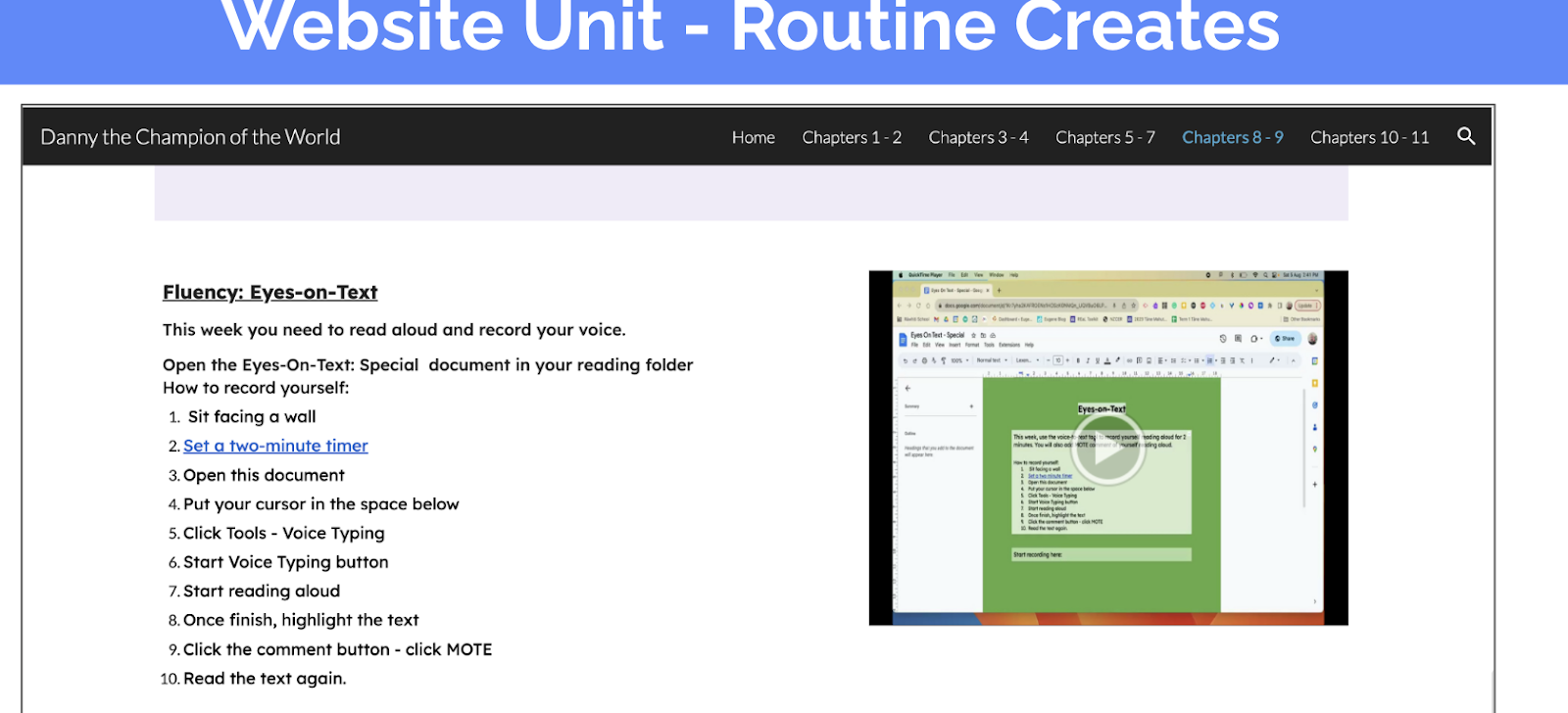
It is important to have set routine create tasks for our students to learn how to do early in the year that they can then pick and go throughout the year. This is very similar to the simplistic create “vlog” task that I have my learning to read students do throughout the year to retell the events of the story and share their vlog video on their blog. 


    Putting it all together

As a group, we reflected on various areas (from today’s discussions) that we would like to improve on or implement into our own classroom. Here is a screenshot of some of our responses. 


I would love to spend some time in the next few weeks thinking about how I can get my students to work more independently and collaboratively to create using the affordances that I have taught them so far this year. Students already know how to retell using their webcams but it would be great to move them to writing and recording a review or the books they are reading in class. I would also like to provide more opportunities for students to have choice when it comes to their create tasks.

Tuesday, 1 August 2023

RPI Session 7: Thinking

My personal thoughts/refections are embedded in this post written in italics. 

 Connecting with Manaiakalani

The Four C’s (Critical Thinking, Communication, Creativity and Collaboration) are necessary for success and have come out of the partnership for 21st Century Learners.

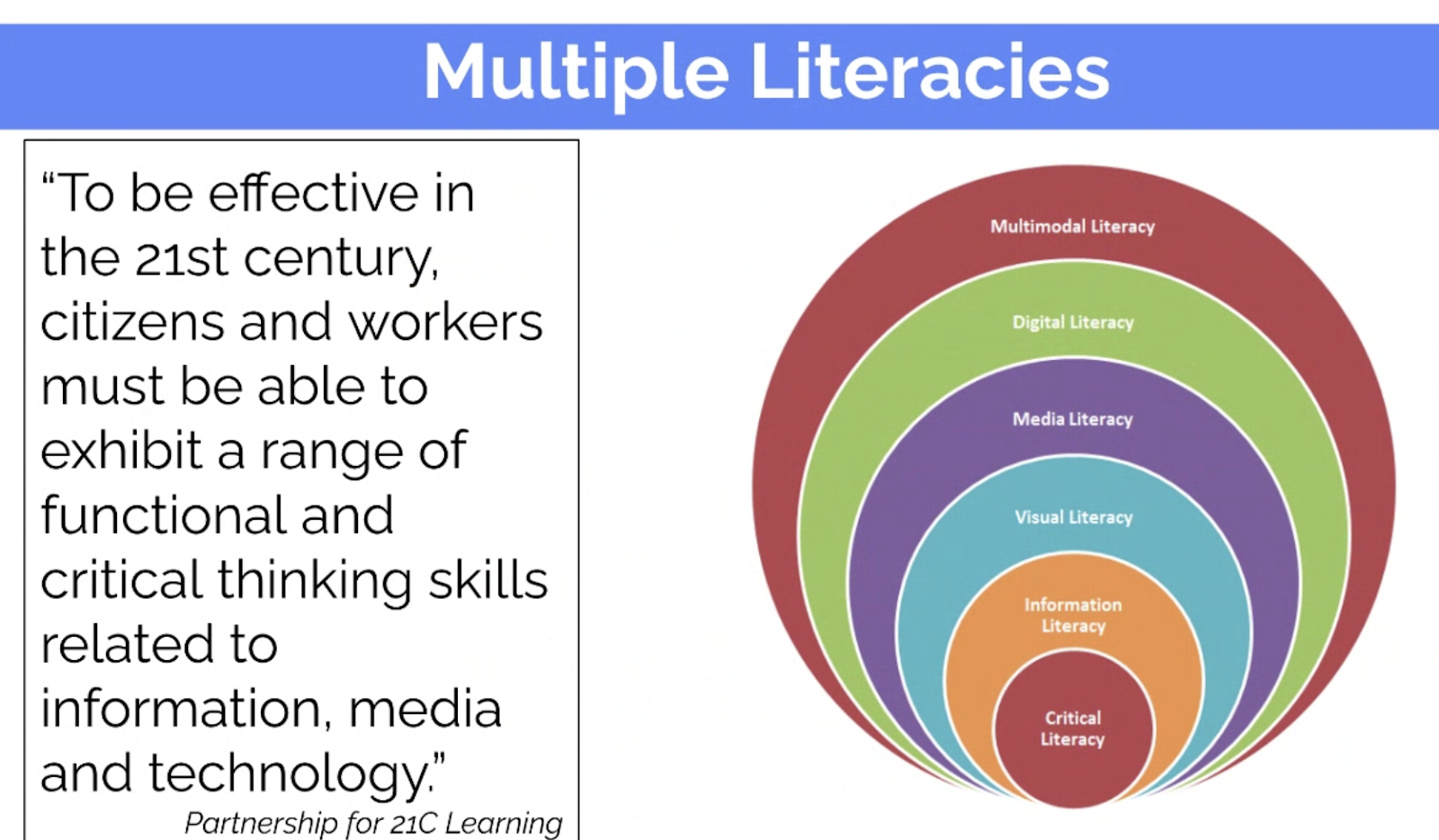
 Relating multiple literacies with technology is a challenge that we have embraced and continue to grow. 


Being cybersmart empowers our students to be connected, digital citizens, and confident decision makers. 


Smart Learners critically examine information online. When information is presented online that is inaccurate (some articles are printed to use for this purpose) it is great to have students critically evaluate the authenticity of the information and purpose for including it in the article. 


Higher Order Thinking to Access Deeper Meaning

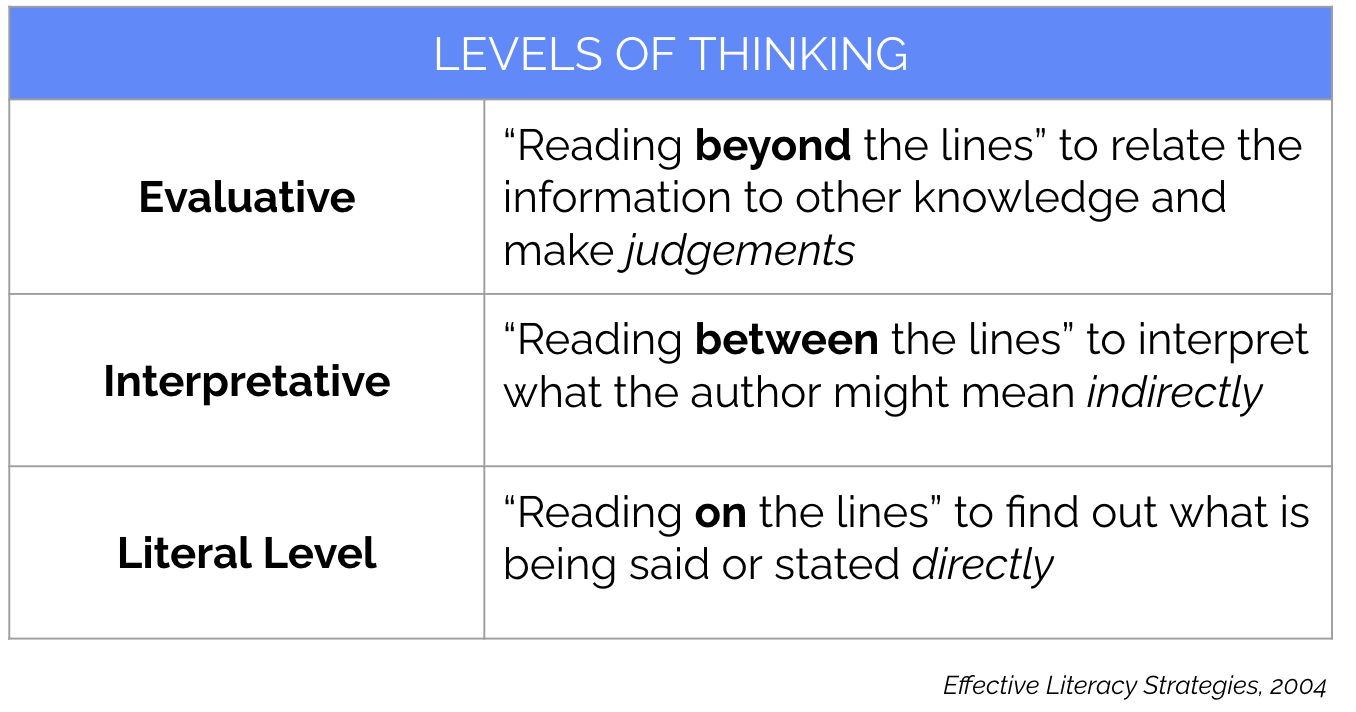
Thinking back to comprehension, we discussed the baseline to get into higher levels of thinking. Students need to draw on personal experiences, knowledge, factual knowledge and interpretations that we are able to apply our analysis skills (critical thinking) to. 


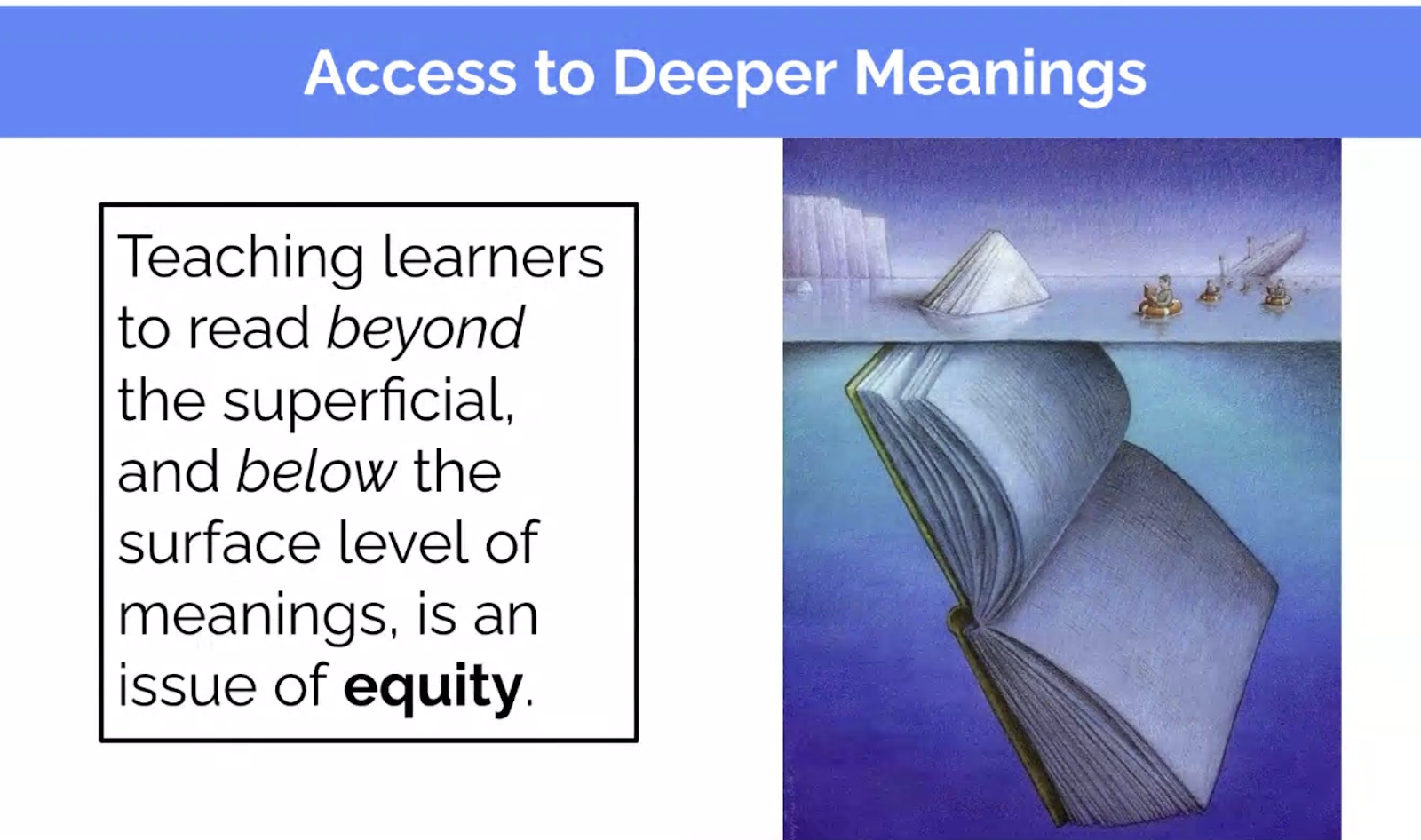
Show this graphic to the students, and have a chat about what they are seeing. We need to be sure that we are using all our thinking skills when reading in order to access the deeper meaning behind the author’s words. 


There are three effective ways to plan for our students to think beyond the literal (modelling, response to text, extended discussion). 


Analysis as a Basis for Higher Order Thinking


Using Bloom’s Taxonomy, when focusing on the top three tiers, it is important to realise that this can be done during group discussion. Analysis is the opposite of summarising. Analysis involves close reading of the text to reinforce various skills or ideas (including more complex meanings). Breaking down into the elements of the story into parts that allow understanding to be extended or deepened. 


Analysis can be used to “zoom in” or “zoom out”. 

ZOOM IN: What words is the author using to show us that Matiu is trying to be brave?

ZOOM OUT: Allows us to make connections. 


Interpreting Figurative Language

Students need experience jumping from the figurative to the concrete. Understanding the abstraction is quite a shift from the literal. Start with thinking about the emotions that come to mind when thinking about a word/phrase (ie quiet as a mouse…frightened/scared) Then, provide students with deliberate opportunities to share everything you think about when you hear the phrase (include a visual picture that might be found by the students). 


Critical Analysis to Read Critically

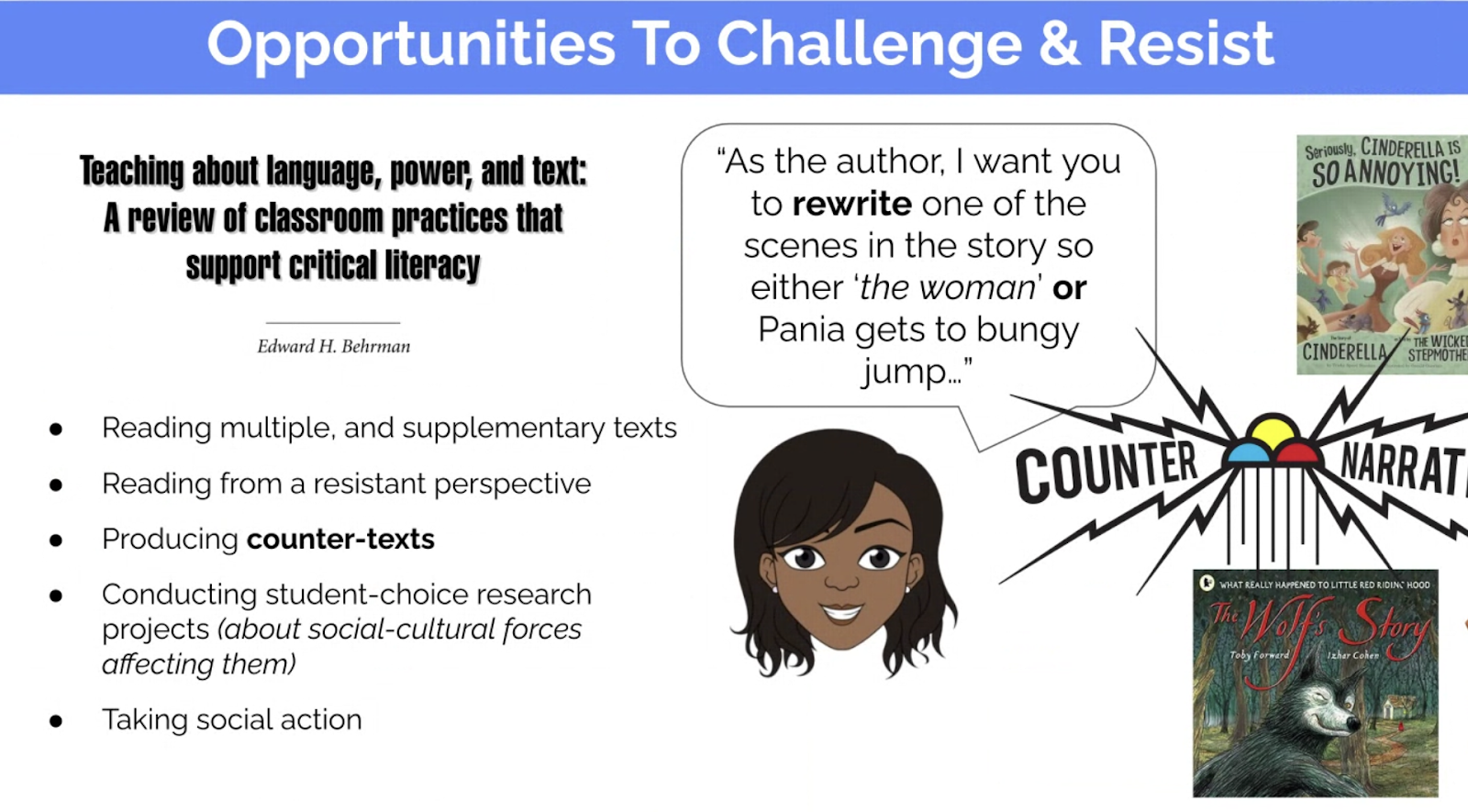
Critically (unpacking and analysing) a text to gain deeper understanding. This will involve seeing things from a different perspective and recognising those perspectives. Positioning involves looking at the way the text positions us to uncover aspects that are unjust/unfair and/or manipulative. 


Presenting Students with a Provocation: A provocation is well resourced through extended discussion. 

Reading across texts from different perspectives is found in the new curriculum refresh. Check out Edward H. Behrman’s work for more information regarding this. Providing students with an opportunity to see things from a different point of view (Great for comparing fairy tales). 


Synthesising


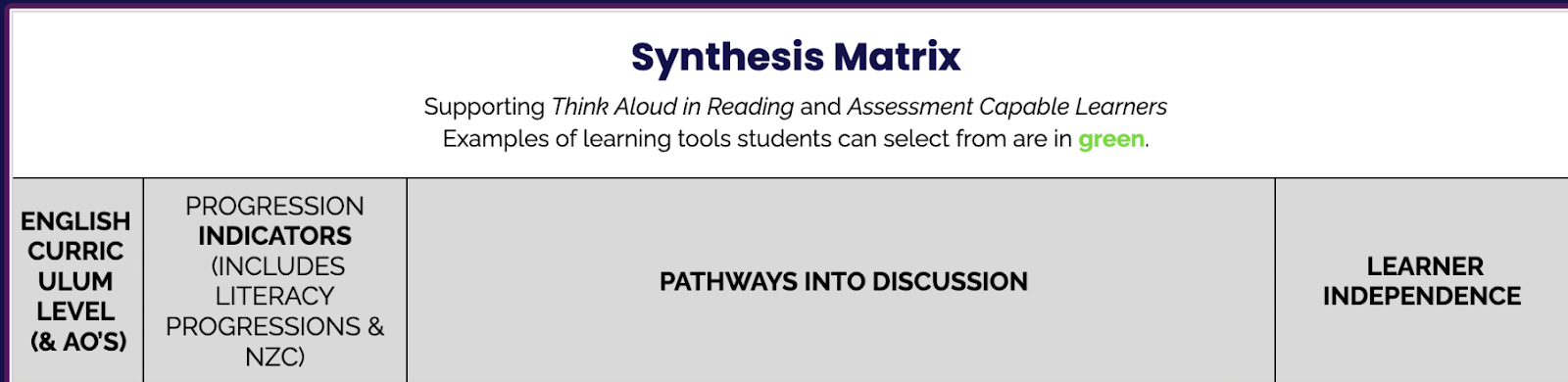
This is a great resource to use when planning for synthesising. Don’t forget to use it!


Today’s session was full of a lot of information, and it is all about things that we are beginning to do with our students reading at year 4 and above. My favourite section of the day was being reminded about having students challenge and resist information by coming at it from a different character’s perspective. We do so much work in Years ¾ around emotions and being able to accurately label how we are feeling. Allowing students opportunities to practise showing empathy by thinking about how other characters in the story are feeling is such a fun thing to do. It also helps students in the future once they begin being assessed on the higher levels of the Probe test. 

I find that I have done many activities similar to these especially when I was teaching higher in the school. It has been fun exploring what this could look like with our year 4 students who are just starting their journey into reading to learn. 


I am excited to look at doing a fairy tale themed text set with my reading groups (in a whole class approach) looking at various viewpoints of the stories. I think this will be an easy way to get some of my readers who are still learning to read to begin to develop some higher order critical thinking skills. Who knows, it might even make a good film festival movie at some point in the future…