As part of our RPI Homework, we had to create a robust vocabulary activity for our students to complete as part of our regular guided reading session. This went really well with my group of students, and I am excited to do more vocabulary activities of this type in the future.
Showing posts with label Vocabulary Acquisition. Show all posts
Showing posts with label Vocabulary Acquisition. Show all posts
Friday, 28 July 2023

Tuesday, 20 June 2023
RPI: Day 6 Vocabulary (and Decoding)
My personal comments are written in italics and embedded in this blog post.
Connecting with Manaiakalani
All aspects of our lives are improved by having a robust vocabulary in every language we speak. Vocabulary is grown indirectly as a young person through experience and noticing the world around them. It is then directly reinforced through the conversations in the home (or with others) that allow children to interact as a participant in the conversation.
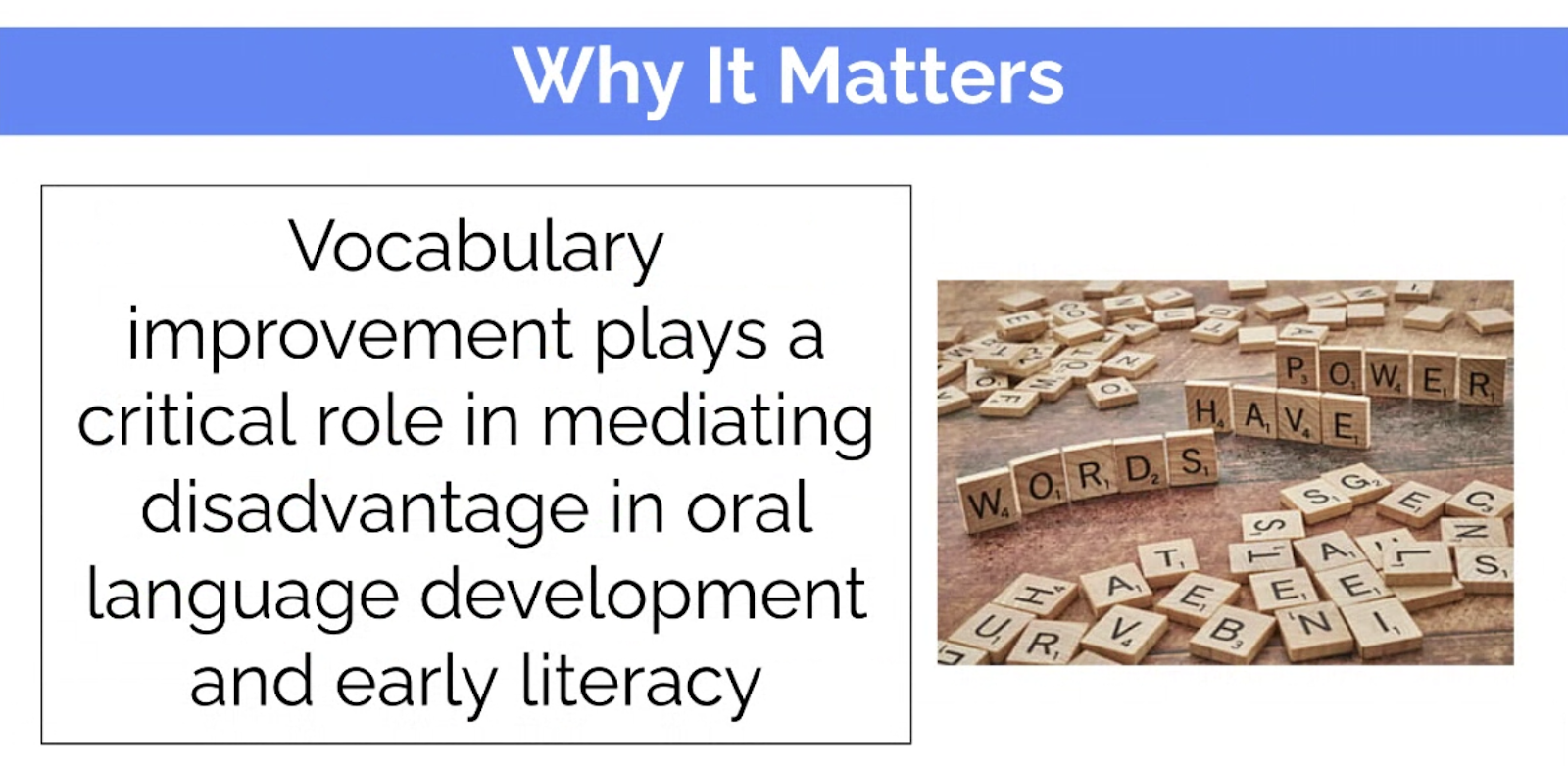
Looking at different ways to make vocabulary acquisition occur, while being more fun has been something that I have inquired into in the past. I have learnt a lot along the way from Dr Jannie van Hees and discussions with Anne Sinclair. I am always looking for new ways to teach this, especially when connecting with students working across such a wide range of literacy levels.
Background to Vocabulary Instruction

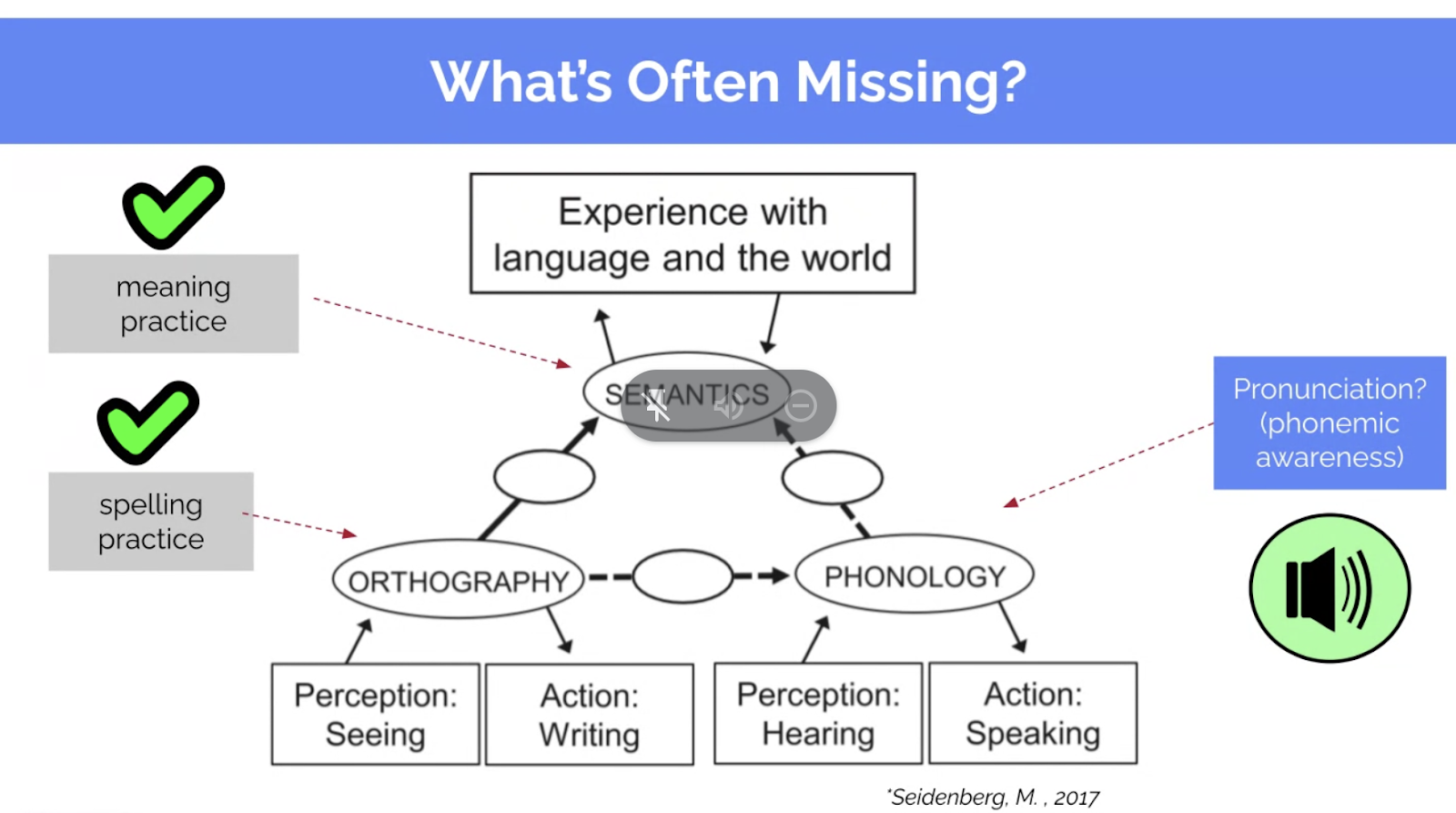
How do we improve or work through how to pronounce words? We do a lot of work in semantics/meaning and spelling practice. The lexicon is the body of words that we have in our knowledge that we can use in different ways (orally, written, read).

Although there are many students who will inherently pick up the concepts there are many more who need that direct repetitive instruction and practise. This is especially true with our students who are English as a second language learners.
Word Consciousness
Being able to talk the language of the specialty. Being mindful of talking/writing in a formal language.

How can we incorporate a word work activity into our weekly tasks that focuses on cline words? How can we add some fun into our vocabulary development? (ie puns, rebus puzzles, homophones, ect). I have also gotten away from adding a word wall in my classroom due to space in the past or putting up words for our Inquiry. However, I have lots of wall space this year, so I would like to transform one of those spaces into a living word wall.
Explicit and Robust Vocabulary Instruction

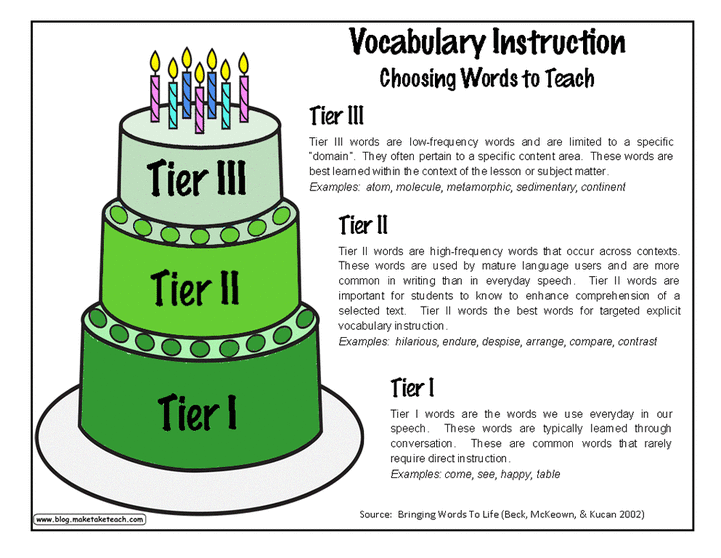
1: Direct explanation (in a learner friendly way)
2: Thought provoking connections to meanings in students’ lived experiences
3: Playful use of words (e.g. word consciousness)
4: Interactive engagement
5: Follow up (multiple encounters)
We need to be careful not to raise the lexicon bar too much. If we need to, what can we do (shared/buddy reading ect) to ensure that the onramp for learning is accessible.
Cracking Unfamiliar Words
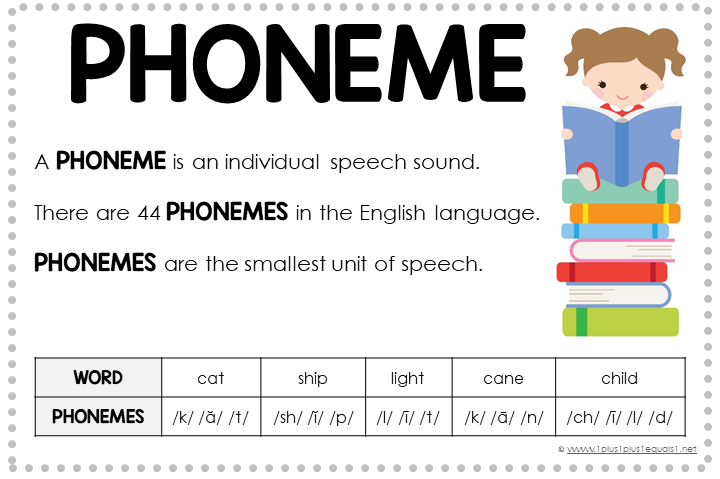
During Level 1, learners were using letters and sounds to work out by decoding the word. Younger students learn how to “chunk” and “blend” sounds to make up a new word (phonemic awareness).
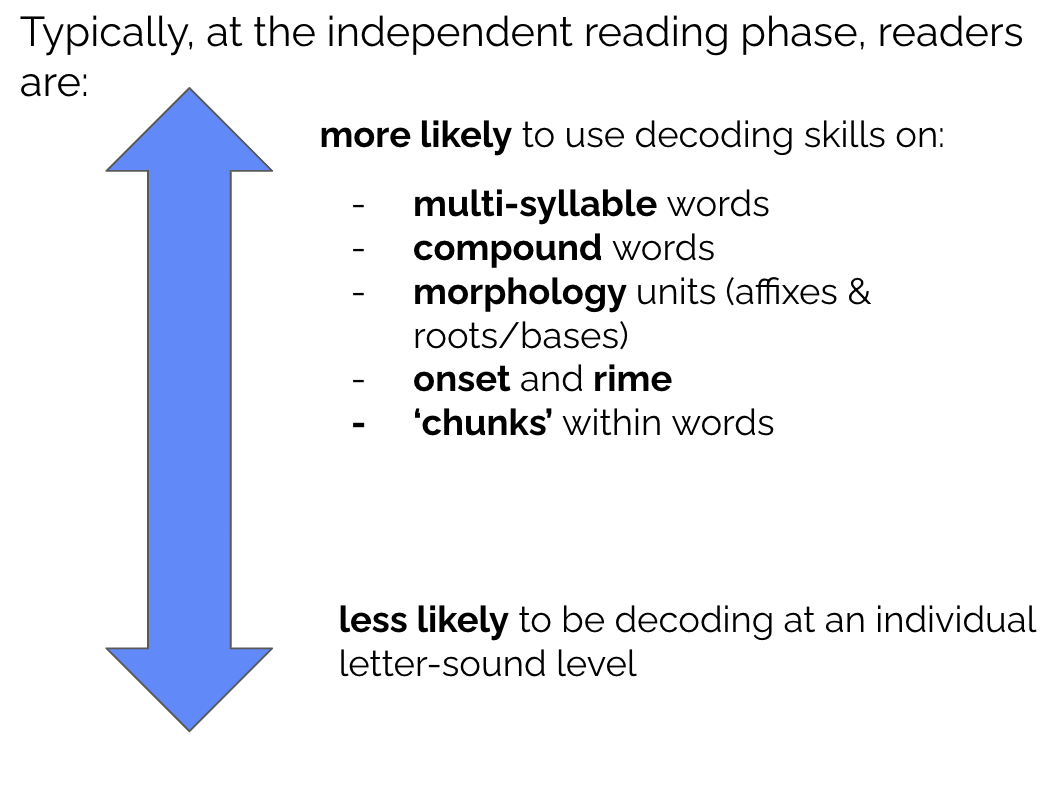
This is something that I have been doing very well with my students who are reading below grade level and then connecting back to it for those reading at year 4 and above.
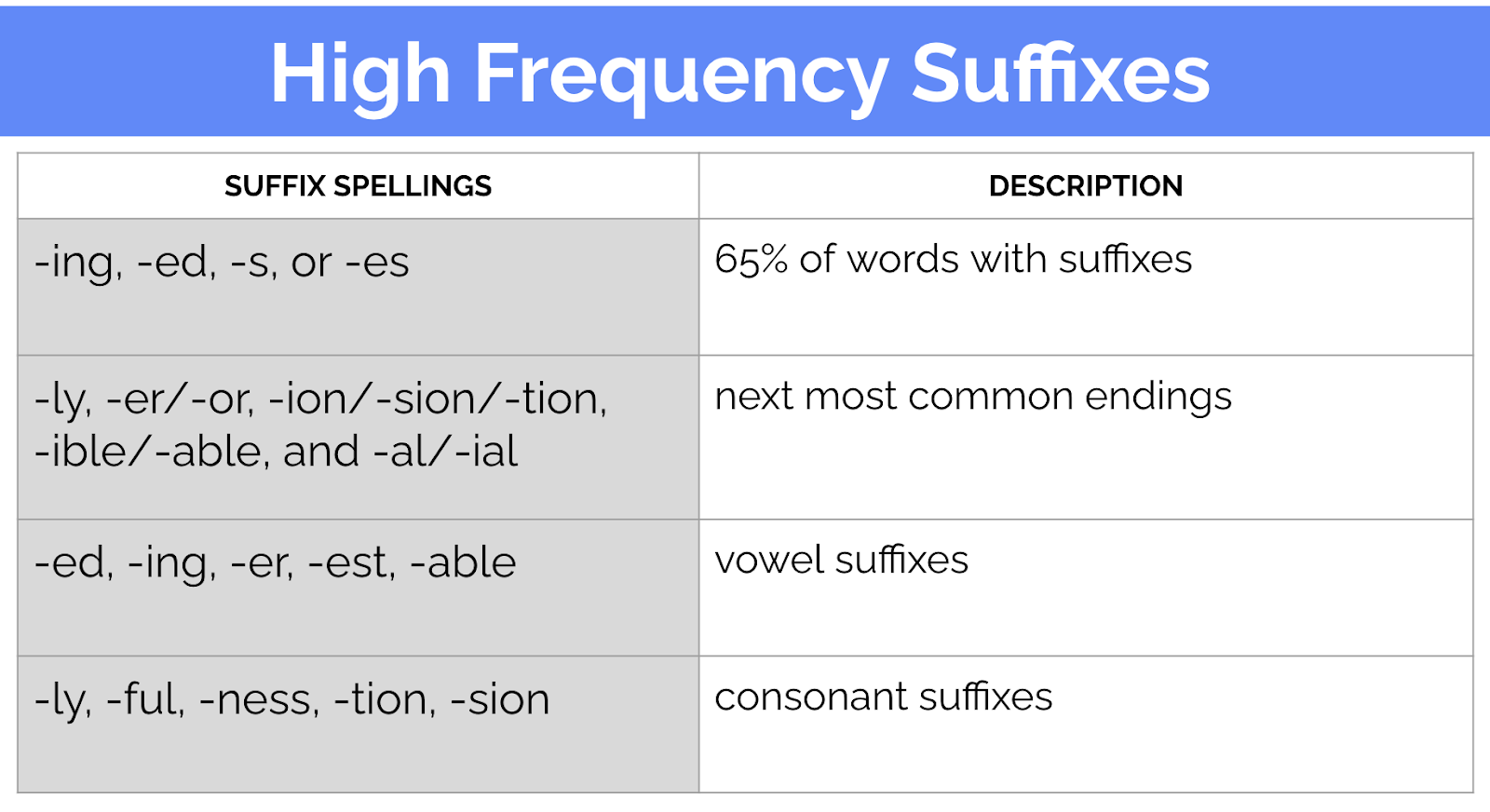
Morphology

Reflect and Plan:
When planning for my reading groups, I use our PES Progressions spreadsheet to determine what I need to be covering for each individual reading group. This, along with our PES Levelled Reading Learning Goals, are what I use when planning for my groups. I teach this directly to my students during our guided reading sessions using the words in the texts we are reading to guide our discussions. Students then have an opportunity to practise that morpheme when completing their independent task. Students also have the opportunity to encounter these morphemes when on Reading Eggs and I have just discovered earlier this week how to assign individualised tasks to students and groups on Reading Eggs. I am excited to bring this into my classroom routine in Term 3.
I would like to put some activities/UDL (hands on) based activities for students to work in in small groups over the holidays so we can put in some good effort in term 3.
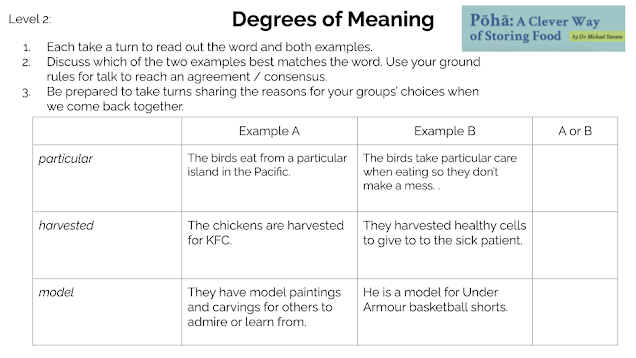
RPI: Robust Vocabulary Tasks
Today during the RPI, we have been learning about best practice for teaching robust vocabulary (& decoding) as part of our reading programme. At one point in the afternoon, we were asked to explore four different templates for independent student learning with a partner. Then, we were given time to pick a possible Term 3 text and create two robust vocabulary tasks for that reading text.
Here are the tasks that I put together:
Looking forward to using these resources next term.
Monday, 10 August 2020
My Theory of Action
Restate your inquiry question and your theory of action/chain of events (WFRC#11)
My inquiry question for 2020 is:
“How can providing opportunities for mathematical vocabulary acquisition strengthen a student’s self-efficacy in maths?”
My Theory of Action:
As a year 7/8 teacher, I feel that there is often a struggle with our students who do not have the necessary mathematical vocabulary to back the skills that they are acquiring. As a result, students are often at a loss for what to say to describe their mathematical thinking and reluctant to openly share with their peers. We have also noticed that students do considerably better from year to year on easttle tests than they do when taking the PAT Maths test. I wonder if this is due to the open subject matter of the PAT so students know more directly what type of problems they are solving.
The changes I am making to my teaching to improve their outcomes are still being implemented at this time, especially due to our change in teaching during the Covid-19 lockdown. However, prior to the lockdown, I was using a "Looking Closer" format embedded into my learning tasks that provided students with an opportunity to interact with new grade level appropriate mathematical vocabulary. In the past, students have been primarily taught at the level of curriculum that they were working at. This caused a larger gap to develop with student mathematical vocabulary because students were not using grade level appropriate terminology for mathematical concepts. For example, students often still come into Year 7/8 saying things like "I got the answer 13 from plussing 10 and 3" instead of "I got the answer 13 from adding 10 and 3."
As we prepare to enter into a more "normal" phase of teaching and learning, I am interested in implementing some of the ideas and concepts discussed on the professional reading that I have recently done in the past few weeks. These include, the Four Square and Feature Analysis approaches (as discussed here).
The reasons why I think these changes in my teaching will be effective to my learners are that they will provide a more solidified understanding of the terms used to describe various mathematical processes and concepts. Students will be provided with a visual reminder of what those words and phrases mean. Students will also be given multiple opportunities to put their new vocabulary to use describing their problem solving process.
Wednesday, 3 July 2019
Digging Deeper
In an effort to dig deeper in to vocabulary acquisition, I have been taking some time to change the way that I have always viewed providing students with the definition of a new word. In the past, I simply told the students the definition or told them to look it up. Now, in the beginning of the teaching career it sounded more like, "Grab a dictionary and see what you can find out" and since teaching in a digital environment it became, "Use a define: smart search." This is not to say that in the moment of working with a group of students (especially those reading at the lower levels of the colour wheel), I did not focus in on using context clues to determine the meaning from within the text. However, after meeting with Dr. Jannie van Hees at a recent Professional Development session with my team, I began to think of ways to provide more student voice as we dug into deeper understanding of vocabulary found within our texts.
After providing my students some time to independently read through the text, in our small group session, I led them to specific sections of the text that I had previously determined. While those shorter sections orally, I stopped and pulled out specific words and phrases that I felt we needed to dive deeper with. I simply began with a "Hmmmm, I wonder what that means...magnificent height and breadth?" I then, grabbed a sheet of paper and put that phrase into a bubble in the middle of the page, and asked the students what they thought. After adding all of our ideas to the word chart, we read the selection again and students were asked to formulate their own definition using our word chart.
Here is one student's response:

After providing my students some time to independently read through the text, in our small group session, I led them to specific sections of the text that I had previously determined. While those shorter sections orally, I stopped and pulled out specific words and phrases that I felt we needed to dive deeper with. I simply began with a "Hmmmm, I wonder what that means...magnificent height and breadth?" I then, grabbed a sheet of paper and put that phrase into a bubble in the middle of the page, and asked the students what they thought. After adding all of our ideas to the word chart, we read the selection again and students were asked to formulate their own definition using our word chart.
Here is one student's response:
Thursday, 6 June 2019
PES PD: Dr. Jannie van Hees
As a team, we have presented Jannie with three areas of concern
FOCUS: Reading age: 8-10 years old. This is where a lot of our kids are stuck..
Reading strategies/ approach to do with kids when they are with us.
How do we lead group discussion/facilitate our reading groups to get more vocab and thinking/argumentation from our students?
Also what types of follow up activities can they do after this session with the teacher?

Read silently-take in information (what can we get a hold of from this text? Then, read to build fluency)
Re-read aloud 1-2 paragraphs (or short section) and try to get a wider deeper meaning of the reading (holistically look at the text).
Teacher becomes the mediator for student discussion to pull together the deeper meaning on the story and pick up the “gems” that need to be melded together.
Significant Word Groups: Be intentional about noticing. Do not singularly look at vocabulary but look at the phrase or group of words for combined meaning (veil of mist)
Quantities of quality text (cutting edge texts for kids). Less about doing activities and more about focusing in on logging word groups. We need to create a hungriness in our students for a deeper want to learn.
Learning conditions need:
Word Consciousness Cultivation
Rich Language and Word Availability
Explicit Word Attention
Word Learning Strategies
Developing a culture of word-consciousness, while creating a community of Word gathers.
Word hunters
Hungry for words
Word crazy
Word power/powerful
Word wizards
Collect-grab-share
‘Human’ dictionaries
To be relevant vocabulary must be:
in text-in context
Available-notice
multiple encounters
engaged with
WORDPLOSION: Digging deep for the underlying meaning of a word and then you are able to understand the word family.
Example: Employ
-explain it: to enhance something/to put to use
-family members: employee, employment, employed,
employing, reemploy
As texts become more complex, language and structure, vocabulary, concept knowledge and thinking and meaning bring upon deeper student understanding.
Deep Diving
We want kids to be mindful readers. Deep diving comes from talking about it. Students are viewing, reading, noticing, and talking with each other and the teacher.
Newspaper article
Headline: what clues does it offer about the main points? What is amazing about that? What do you want to know now?
Paragraphs 1 and 2: Dig the details of the article to help answer the questions further
Use images and movie clips when appropriate
Slow down to take small chunks to pick up ideas. Looking at groups of words. What are the surface meanings of those words?
FOCUS: Reading age: 8-10 years old. This is where a lot of our kids are stuck..
Reading strategies/ approach to do with kids when they are with us.
How do we lead group discussion/facilitate our reading groups to get more vocab and thinking/argumentation from our students?
Also what types of follow up activities can they do after this session with the teacher?
Deep Diving into Text
Narratives are often less demanding in terms of what is going on in the text. We need to make sure we are doing a disproportionate amount of non-fiction.Read silently-take in information (what can we get a hold of from this text? Then, read to build fluency)
Re-read aloud 1-2 paragraphs (or short section) and try to get a wider deeper meaning of the reading (holistically look at the text).
Teacher becomes the mediator for student discussion to pull together the deeper meaning on the story and pick up the “gems” that need to be melded together.
Significant Word Groups: Be intentional about noticing. Do not singularly look at vocabulary but look at the phrase or group of words for combined meaning (veil of mist)
Quantities of quality text (cutting edge texts for kids). Less about doing activities and more about focusing in on logging word groups. We need to create a hungriness in our students for a deeper want to learn.
Learning conditions need:
Word Consciousness Cultivation
Rich Language and Word Availability
Explicit Word Attention
Word Learning Strategies
Developing a culture of word-consciousness, while creating a community of Word gathers.
Word hunters
Hungry for words
Word crazy
Word power/powerful
Word wizards
Collect-grab-share
‘Human’ dictionaries
To be relevant vocabulary must be:
in text-in context
Available-notice
multiple encounters
engaged with
WORDPLOSION: Digging deep for the underlying meaning of a word and then you are able to understand the word family.
Example: Employ
-explain it: to enhance something/to put to use
-family members: employee, employment, employed,
employing, reemploy
As texts become more complex, language and structure, vocabulary, concept knowledge and thinking and meaning bring upon deeper student understanding.
Deep Diving
We want kids to be mindful readers. Deep diving comes from talking about it. Students are viewing, reading, noticing, and talking with each other and the teacher.
Newspaper article
Headline: what clues does it offer about the main points? What is amazing about that? What do you want to know now?
Paragraphs 1 and 2: Dig the details of the article to help answer the questions further
Use images and movie clips when appropriate
Slow down to take small chunks to pick up ideas. Looking at groups of words. What are the surface meanings of those words?
Monday, 3 September 2018
A Team Approach
During our Week 6 Staff Meeting, we spent some time looking at our reading data trends in our own classrooms and then discussed what we were seeing across the team. It was definitely apparent (as I questioned in my previous blog post "Mid-Term 3 Shift Update") that we have a large number of students across our Year 5/6 team (of six teachers) that are instructionally reading between the ages of 8.5-9.5.
We broke up into groups of two (a year 5 and a year 6 teacher) to consider 5 main areas when planning for the students reading at that level. I was paired with a year 6 teacher, Migi Sio, and this is what we came up with.

When we shared back with the remainder of our team, it was very surprising to hear that most of us chose a very similar WALT to focus on (simply worded differently).
A next step for me will be discussing this further with my teaching partner, Hannah West, to determine how we will be implementing this focus in our learning space.
We broke up into groups of two (a year 5 and a year 6 teacher) to consider 5 main areas when planning for the students reading at that level. I was paired with a year 6 teacher, Migi Sio, and this is what we came up with.

When we shared back with the remainder of our team, it was very surprising to hear that most of us chose a very similar WALT to focus on (simply worded differently).
A next step for me will be discussing this further with my teaching partner, Hannah West, to determine how we will be implementing this focus in our learning space.
Tuesday, 27 March 2018
Learning Word Meanings from Teachers’ Repeated Story Read-Aloud
Today I took some time to read an article by Lu-Chun Lin from the Institute of Teaching English to Speakers of Other Languages at the National Chiao Tung University in Taiwan. The article was entitled, "Learning Word Meanings from Teachers’ Repeated Story Read-Aloud in EFL Primary Classrooms." The full text of the article can be found here.
The following are my own thoughts/opinions and points of interest while reading.
The following are my own thoughts/opinions and points of interest while reading.
- According to the research of Elley (1989), there is empirical evidence of vocabulary learning from listening to stories read aloud by classroom teachers.
- Native speaking NZ students aged 7 and 8 obtained 15% vocabulary gains from read alouds 3 times a week without teacher explanation of target words.
- Gains still evident when tested 3 months later
- I would love to look into this further and see if they published what assessment was used to assess the students' vocabulary gains
- It is the repeated usage of vocabulary words in the SAME text that enables student understanding and retention.
- Although I have been reading a chapter book aloud multiple times during the week, I need to also be reading topic specific (rich language) picture books (3-4 times each) aloud to my class. While reading Wider and Deeper is important for developing dialogic conversations in order for retention of key vocabulary words it is important to read the same text.
- Several studies show that the initial language proficiency indicates the level in which a student will be able to make higher word level gains.
- Researchers asked if this was due to those with higher levels of proficiency having more intrinsic motivation to learn (and apply) the new words
- In a study by Elley, target words were explained to the children by providing a synonym, acting out the words or pointing to the picture.
- This is something that we do often as teachers, especially when reading with our micro-groups that are on the lower end of the colour wheel. However, as students develop a more independent approach to reading their assigned texts, we tend to focus more on comprehension and making connections across a range of texts.
Subscribe to:
Comments (Atom)