Saturday, 14 October 2017

ULearn 2017: Virtual Field Trips


Breakout Session #5- “Engaging students through virtual field trips”
Presenter: Shelley Hersey

Using the Learnz website

All of the field trips remain online for use whenever you would like to use or rewind.  However, there are live trips that last for three days, and connect with students during that time.  This connection includes live web conferences each morning, followed the next day by an upload of the day before’s adventure on site.

Many of the locations where the field trips take place are generally inaccessible for our students.  They are not to use as a replacement for other field trips but as a springboard for future learning.

The website for every live trip is accessible online generally a month before the trip for prior exploration.  Six participating classes are able to send an “ambassador” (stuffed toy) to go on the field trip with the Learnz staff.  Students are given an ambassador report from the learnz teacher onsite with the ambassador about what they are experiencing on their trip.

With field trips that have already taken place, students can use portions of each field trip as part of lessons happening at that time in class.  Each field trip provides the teacher (and the student) with a wealth of information and resources about that topic. This could be a great thing to use in conjunction (or in some cases as) a reading task. However, they are not as valuable as a “field trip” unless you are experiencing it live.

While I see the value of implementing this program in my classroom, I was very surprised to see that there were no follow up activities to further the student’s online/virtual journey embedded within the program.  That said, I can imagine the dialogic conversations and create tasks that could evolve from using learnnz.

Friday, 13 October 2017

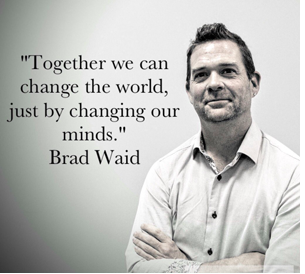
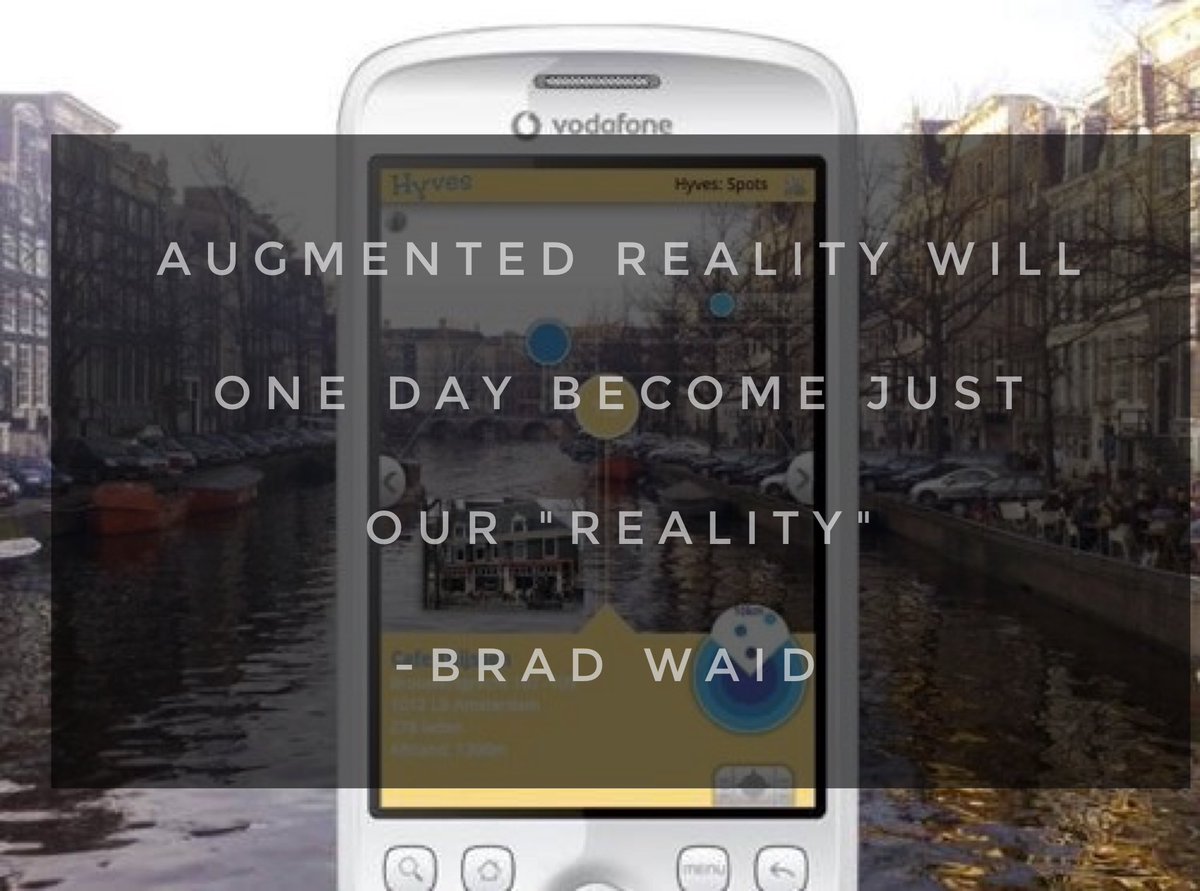
ULearn 2017: Brad Waid Engaging Globally Connected Students

“Engaging the ‘Globally’ connected student of today.”

DBWbbGWXoAAYBD9.jpg

Guided Questions:
What are kids learning?
Where are they learning?
What is our role as Educators?
What are the y sharing?
Would they share what we are teaching?

The Role of an Educator: Times have changed...have we?
A 21st Century Teacher MUST be able to engage with a 21st Century Learner
Are we preparing our students for “Their Future”
….Or for “Our Future”?

Sometimes the key to opening a kid’s mind is to find the “device that speaks his language.”  However, the most important component of that key is beginning with the relationship a teacher has with their students.

We are a ‘physical’ goods generation.  However, technology can easily be leveraged for an educational outcome.   For example, PokemonGo got kids outside, but more importantly the locations that kids needed to go to were the places of importance in those cities (libraries, parks, memorials, etc).


RULE(e) -We all have a gift to give...what will you give?
Relationships Engaging technologies bring people closer together.
Understanding What unites us is stronger than what divides us.
Learn Successful people use roadblocks as learning opportunities.
Environment Our environment is something we can have an immediate impact in.
(e)xpression If one person sees what you share and it’s a positive impact it’s a great thing!

ULearn 2017: A Kāhui Ako Journey with Viv Hall

Breakout Session 3: Ready, set....change
Presenter: Viv Hall

An overview of one Kāhui Ako Journey
Whenu: The 7 Key Roles of Leadership

Why role do you see as your role?
Although I see these roles as interwoven, I choose advocate because it is important to remember not to get lost in the newness of that latest but continually remember in the background why we are doing what we are doing.  Keeping the students at the forefront and remembering the ways that we can help alleviate the needs of the teachers around us when we are focusing on our CoL roles.

When dealing with difficult problems, consider who in your team fits into the various leadership roles.  This will enable you to acquire the correct fix for that situation.

Rethinking Professional Learning
CoLs have many opinions coming together and it is important that participants do not obtain a “I don’t care...Just keep up.” attitude.

-When thinking about the work that you are about to do...what is your greatest hope? What is your greatest fear?
-Put your answers on a padlet.
-Take a look at the answers of others and leave a comment that reframes the fear
(What do you already know...that might be helpful?)
-At the end of the term, go back into the padlet, and add (edit) to your comment to include an updated reflection on how things ended up happening.

In the midst of controversy regarding change...it is important to remember that you have to have a “burning platform” in order to bring about change (Kotter)

Remember to paraphrase and listen when working with others. In order to fully understand someone you need to be fully listening.

ULearn 2017: Coding Breakouts

Breakout Session #1: Mihi Maker
Presenter: Dan Milward (not present...sick)


Provides a step by step code experience that allows students to use code blocks to fill in the different portions of their personal mihi.  Gamefroot offers many free assets for teachers to use with their students at a variety of different coding levels.

This is a simple usage of pre-existing code that students need to look through to add the components of their personal mihi to complete the game.  This is great for the kids at our school because it allows them to have a play at coding while working through the mihi that we are already working to learn with Whaea Saf. 


Breakout Session 2: Integrating Coding (Computational Thinking) into your classroom programme
Presenter: David Kinane


Using coding to Create and Share concepts Learnt about it class.


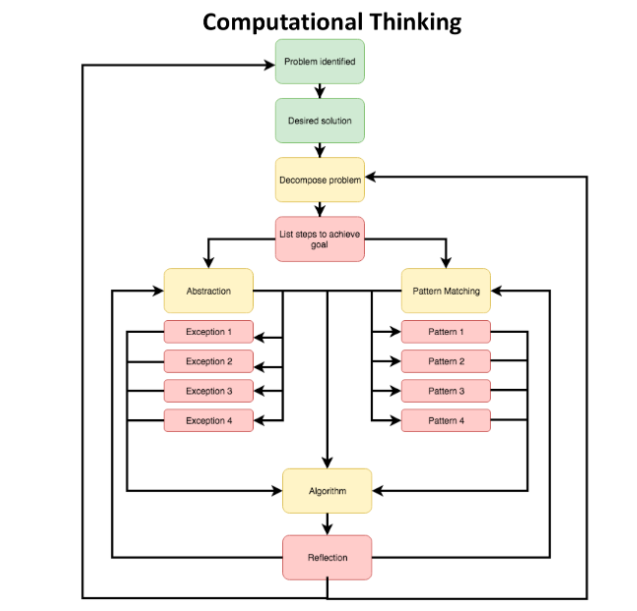
This type of computational thinking is cyclical, and allows students to identify a problem, list steps to achieve a goal in order to create an abstraction and identify a pattern to help create an algorithm before achieving an outcome which allows for personal reflection on what to do to make it better.


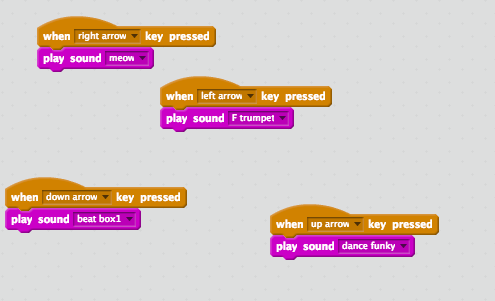
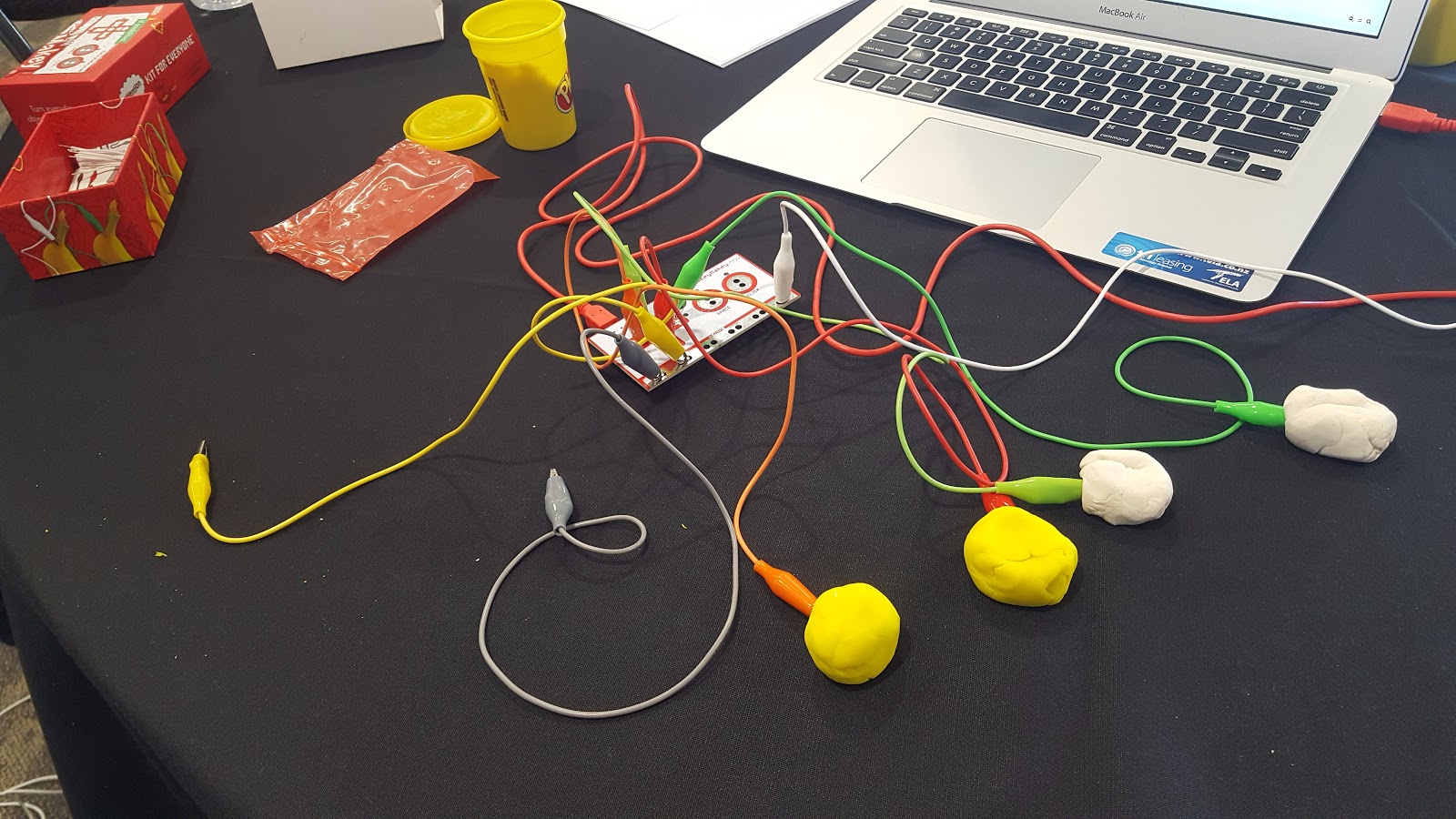
Using Makey Makey to create a musical instrument. (Remember: Someone must be holding “Earth” for it to work)


I am excited to see if we are able to use some Makey Makey kits this coming term for our Inquiry "Musical Madness" where are students will be creating their own music. It would be awesome to have them set up on 1-2 iMacs in our space for student exploration in a small group.

Thursday, 12 October 2017

ULearn 2017: Keynote #1 Eric Mazur

As a Spark-MIT Innovative Teacher, I have been given a great opportunity to spend three days attending the ULearn Conference in Hamilton.


When we arrived Wednesday morning, our first session was with Keynote Speaker Eric Mazur who is a Physics Professor at Harvard University. The first half of his presentation was very interesting because it outlined and solidified what we have been inquiring into using critical thinking to develop dialogic conversations, especially using the Socratic method of questioning.

Here are my notes from the session:


PEER INSTRUCTION

The first thing all teachers should ask each year, but often don’t:  
What am I going to do differently in my classroom this year?

What is education?
Is it merely the transfer of information? Definitely not!
Then, what is it? Learners need to do something with the information they are given.
-So as an educator, how do you make this happen????

  1. Transmission of information
    1. Traditional Approach: In Class
    2. Mazur’s Approach: Should be done outside of class
  2. Assimilation of that information-When did the “aha” moments occur?
    1. Traditional Approach: Out of Class
    2. Mazur’s Approach: Teachers should be focusing on the assimilation of information
      1. Teach by questioning rather than telling (Socrates)
      2. Provide students with opportunities to talk and collaborate in order to reach a conclusion prior to whole class discussion
Teaching by Questioning is:
  • Active not Passive
  • 2-Way flow of information: Able to instantly see student error
  • Personalised Learning: students are able to help one another


We are born with an innate curiosity to know why things happen….Our challenge as educators is to turn that curiosity back on!

As a result of using the learning process, students will have:
  1. Made a Commitment to their answer choice
  2. Externalised their own answer
  3. Moved from the answer/fact to reasoning
  4. Became emotionally invested in the learning process

Peer Instruction allows for:
  1. Higher Learning Gains
  2. Better Retention

Using only a video for instruction:
  • Transfer pace set by video
  • viewer/passive
  • Viewing attention tanks as time passes
  • isolated /individual experience

Using only a book for instruction:
  • Transfer pace set by reader
  • Viewer active
  • isolated/individual experience
  • No real accountability

As teachers, we WANT every student ready at the beginning of the term ready to learn in class.

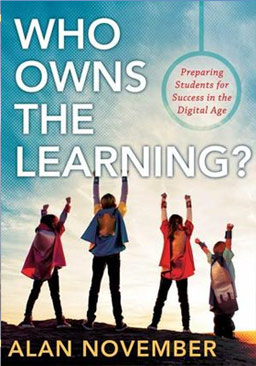
Perusall: Every student prepared for every class. Application used to prepare students for class. Interactive (asynchronous peer instruction) Collaboration with reading a document outside of class. book-who-owns-the-learning.jpg
  • Developed after reading Alan November’s “Who owns the learning?”  
  • Rubric Based Assessment: Most demonstrative thoughtful reading and interpretation
Motivating Factors: social interactions, tie-in to out of class while in class, improved use of class time


Wednesday, 4 October 2017

Share-Term 4 2017

As part of my Community of Learning Inquiry and Spark-MIT Inquiry this past term, I have been focusing on the Learn portion of the Manaiakalani Inquiry Framework. The "Share Focus" answers the question:

“What has happened as a result of the changes in teaching, and what are the implications for future teaching?

 Below is a summary of the various Inquiry Items and links to specific blog posts that I have put together as evidence of each item.

Click here to open an interactive version of this document. 

Term 3 Focus Group Achievements

I am so proud of the hard work and dedication that my literacy students have been putting forth this term.  I spent a few days near the end of the term once again using the Blue PM+ kit and Probe2 to conduct Running Record tests on my students and their continued progress amazes me.  Now that I have been organising my reading program using the Wider and Deeper Model for nearly two years now, I could not imagine teaching students who are reading at or above grade level any other way.

Here are the results of my Inquiry focus group at the end of Term 3: